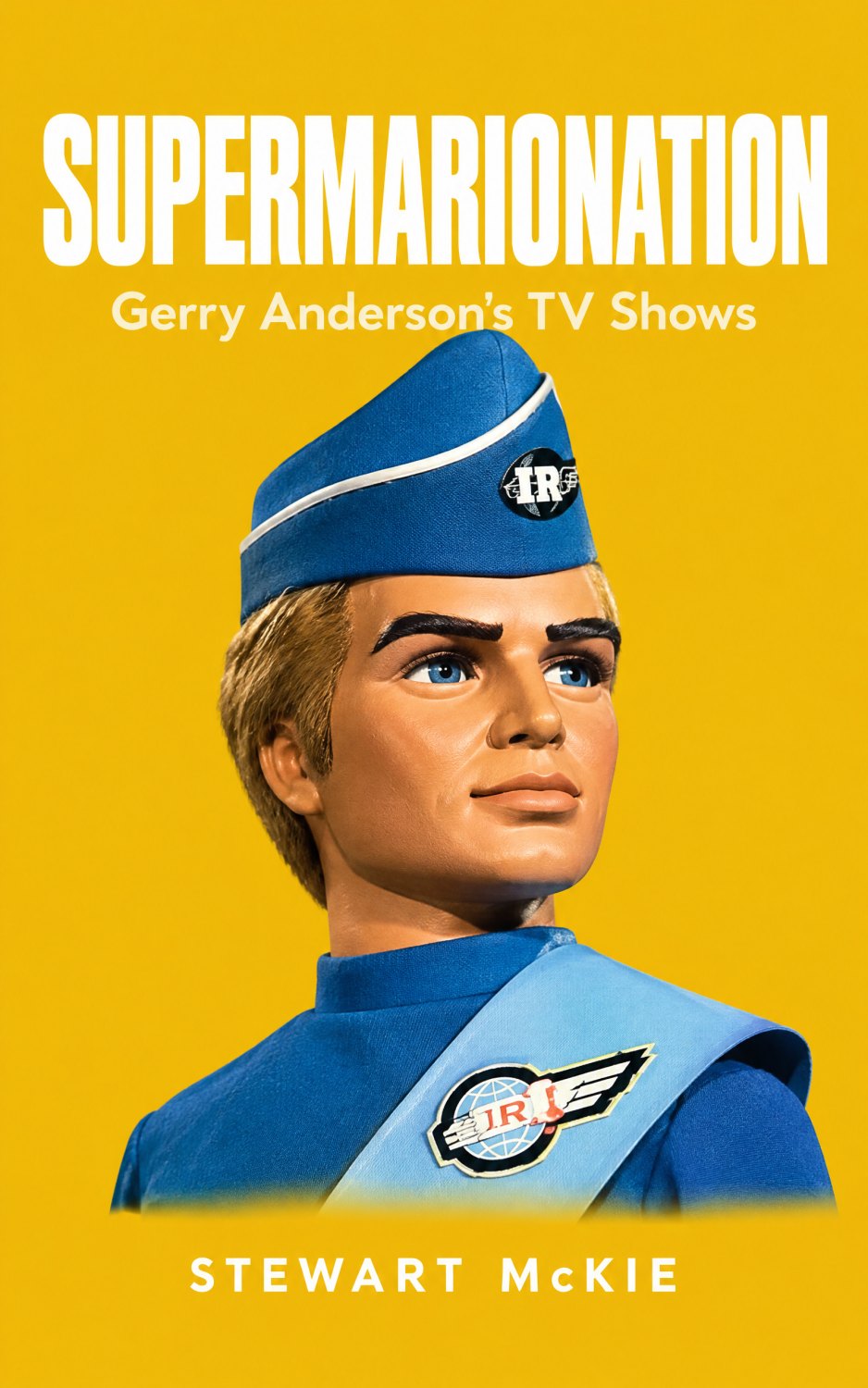
Supermarionation
Gerry Anderson's TV Shows
AI-generated
Written by AI. Tools: Claude Sonnet 4.6 (outline), Claude Haiku 4.5 (chapters, blurb), via aibookbot · with corrections and notes by the author
Download: PDF 399 KB EPUB 226 KB · The EPUB reflows to fit phones and e-readers.
0 views 0 downloads Published 15 October 2026
In the 1960s, a British television producer named Gerry Anderson created something remarkable: sophisticated puppet television shows that rivalled live-action drama in ambition and visual spectacle. This book tells the story of how Anderson and his talented team pioneered Supermarionation—a revolutionary technique that transformed puppetry from a children's curiosity into a genuine art form capable of thrilling audiences worldwide.
Whether you grew up watching Thunderbirds, discovered these shows later, or simply love television history, this book reveals how Anderson's puppet empire was built. You'll discover the technical innovations that made electronic lip-sync possible, the creative teams who brought characters to life, and how shows like Stingray and Captain Scarlet pushed the boundaries of what puppets could do on screen. Beyond the behind-the-scenes details, you'll explore why these programs mattered culturally and why they've endured in British memory for over half a century.
This is a story of ambition, technical ingenuity, and collaborative creativity—a fascinating chapter of British television that deserves to be understood and celebrated.
Whether you grew up watching Thunderbirds, discovered these shows later, or simply love television history, this book reveals how Anderson's puppet empire was built. You'll discover the technical innovations that made electronic lip-sync possible, the creative teams who brought characters to life, and how shows like Stingray and Captain Scarlet pushed the boundaries of what puppets could do on screen. Beyond the behind-the-scenes details, you'll explore why these programs mattered culturally and why they've endured in British memory for over half a century.
This is a story of ambition, technical ingenuity, and collaborative creativity—a fascinating chapter of British television that deserves to be understood and celebrated.