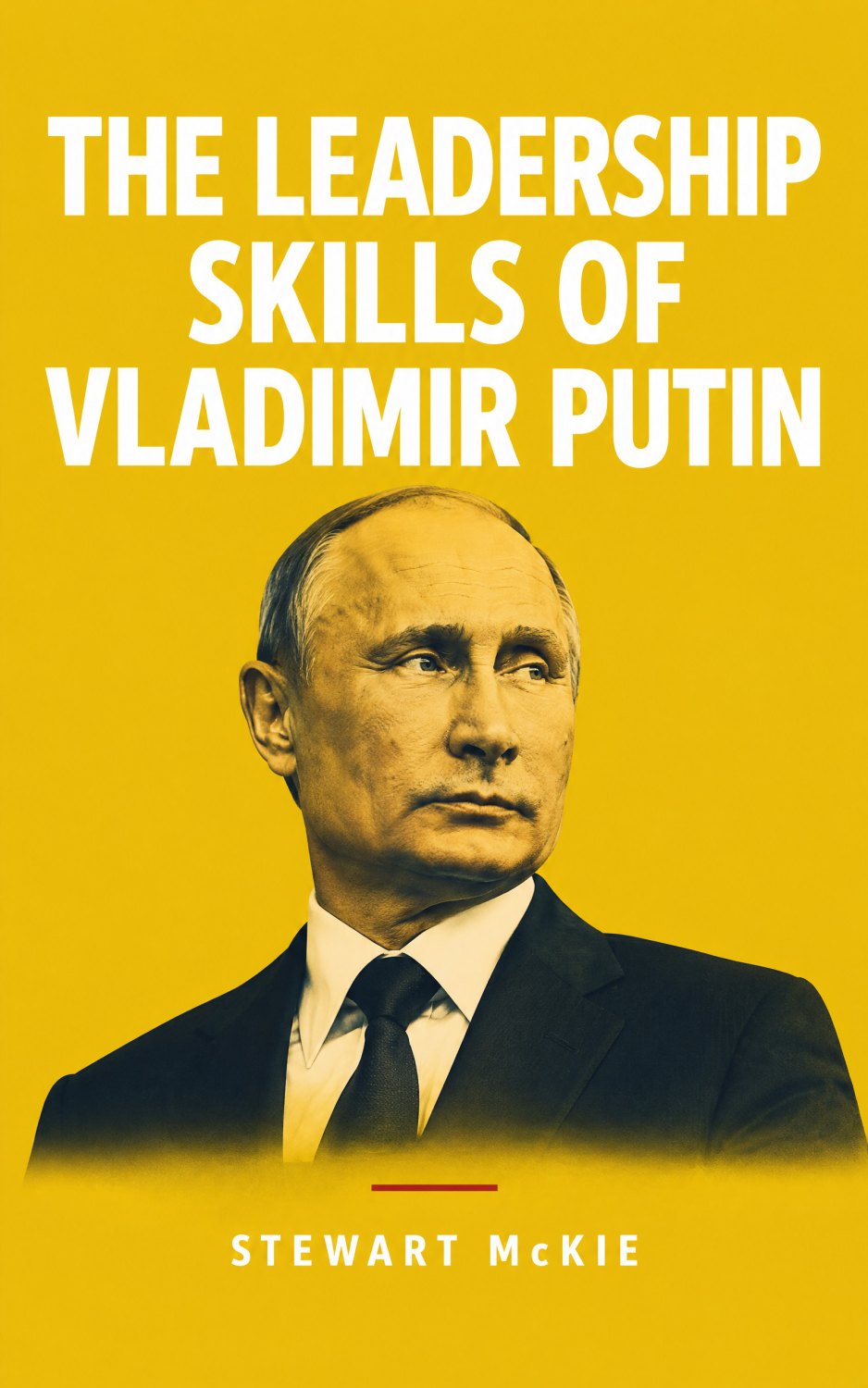
The Leadership Skills of Vladimir Putin
How One Man Shaped a Nation for Over 25 Years
AI-generated
Written by AI. Tools: Claude Sonnet 4.6 (outline), Claude Haiku 4.5 (chapters, blurb), via aibookbot
Download: PDF 344 KB EPUB 193 KB · The EPUB reflows to fit phones and e-readers.
0 views 0 downloads Published 20 October 2026
For anyone curious about how modern political power actually works, this book offers a masterclass in leadership strategy through the lens of one man's quarter-century reign. Whether you're interested in Russian politics, international relations, or simply how leaders gain and maintain control, AI provides an accessible, compelling analysis of Putin's rise from KGB officer to Russia's dominant political figure.
You'll discover the practical techniques that have kept Putin in power: how he built loyalty among competing factions, crafted a carefully managed public image, controlled information flow, and navigated constitutional limits without appearing dictatorial. Each chapter explores a different dimension of his leadership approach, from his formative Soviet experiences to his sophisticated management of crises and his pragmatic foreign policy.
This book matters because understanding Putin's methods illuminates broader questions about authority, legitimacy, and resilience in modern politics. It's neither a celebration nor a condemnation, but rather a clear-eyed examination of how one leader shaped a nation through skill, adaptation, and political acumen. If you want to understand contemporary Russia and the forces shaping global politics, this is essential reading.