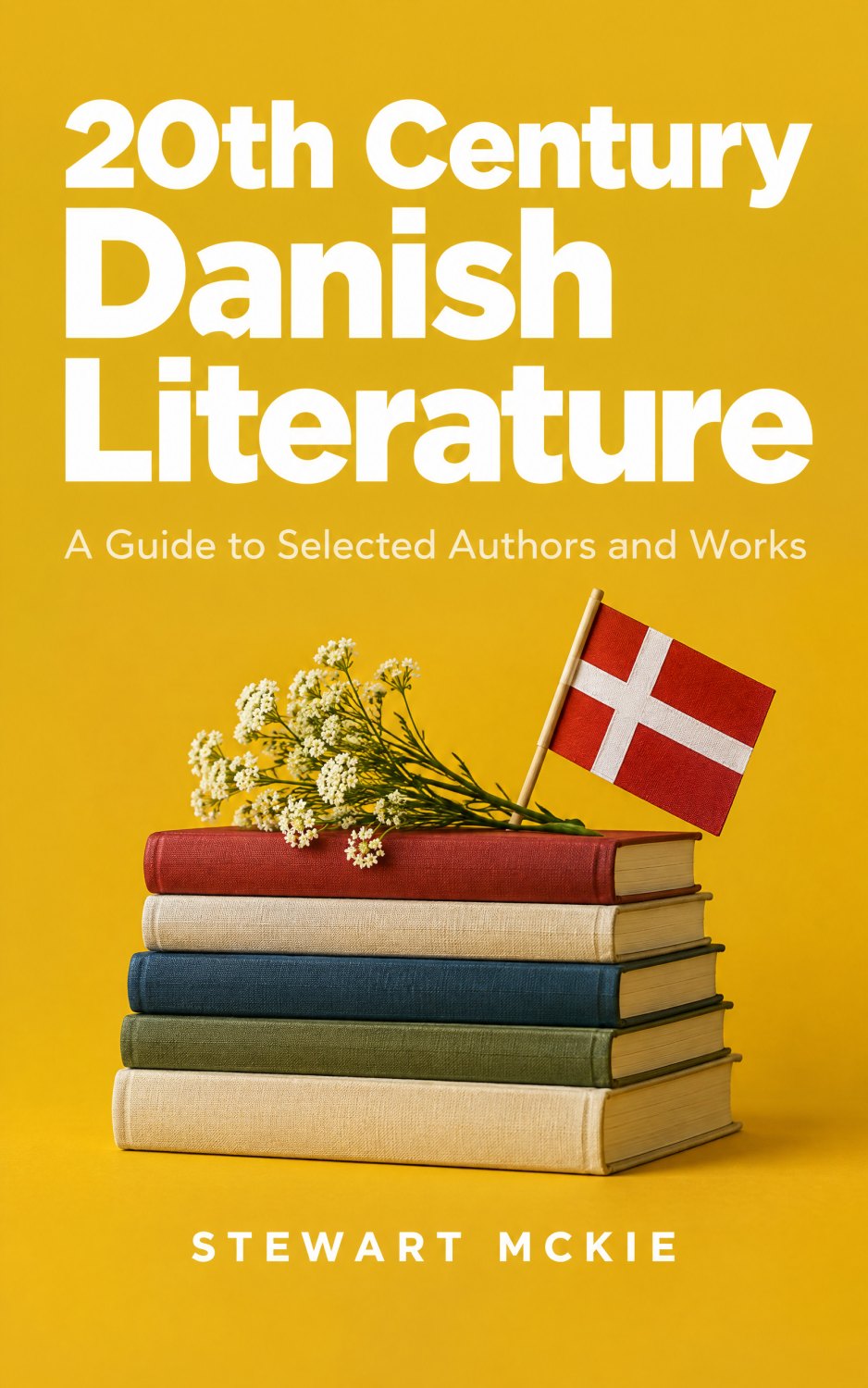
20th Century Danish Literature
A Guide to Selected Authors and Works
AI-generated
Written by AI. Tools: Claude Sonnet 4.6 (outline), Claude Haiku 4.5 (chapters, blurb), via aibookbot · with corrections and notes by the author
Download: PDF 590 KB EPUB 307 KB · The EPUB reflows to fit phones and e-readers.
0 views 0 downloads Published 3 October 2026
This guide is essential for readers seeking to understand how Danish literature shaped modern European culture while remaining distinctly rooted in Danish historical experience. Whether you approach it as a student of literature, a general reader curious about Nordic voices, or someone wanting to understand the cultural foundations of contemporary Danish society, McKie provides authoritative access to the major authors and movements that defined the twentieth century.
You will discover how Danish writers from realist masters to modernist innovators grappled with national identity, moral responsibility, and human consciousness across periods of profound change. From Henrik Pontoppidan's unflinching social observation through the occupation's shadowed years to Peter Høeg's international breakthrough, these authors demonstrate literature's capacity to witness history while transcending it.
This book matters because it restores Danish literature to its rightful place in European consciousness. By connecting formal innovation to social engagement and tracing how writers responded to historical crises with aesthetic seriousness, McKie shows that great literature emerges not from isolation but from the tension between local specificity and universal human concerns. You will finish understanding why these voices endure.
You will discover how Danish writers from realist masters to modernist innovators grappled with national identity, moral responsibility, and human consciousness across periods of profound change. From Henrik Pontoppidan's unflinching social observation through the occupation's shadowed years to Peter Høeg's international breakthrough, these authors demonstrate literature's capacity to witness history while transcending it.
This book matters because it restores Danish literature to its rightful place in European consciousness. By connecting formal innovation to social engagement and tracing how writers responded to historical crises with aesthetic seriousness, McKie shows that great literature emerges not from isolation but from the tension between local specificity and universal human concerns. You will finish understanding why these voices endure.